“reached 90 points” search results (300)
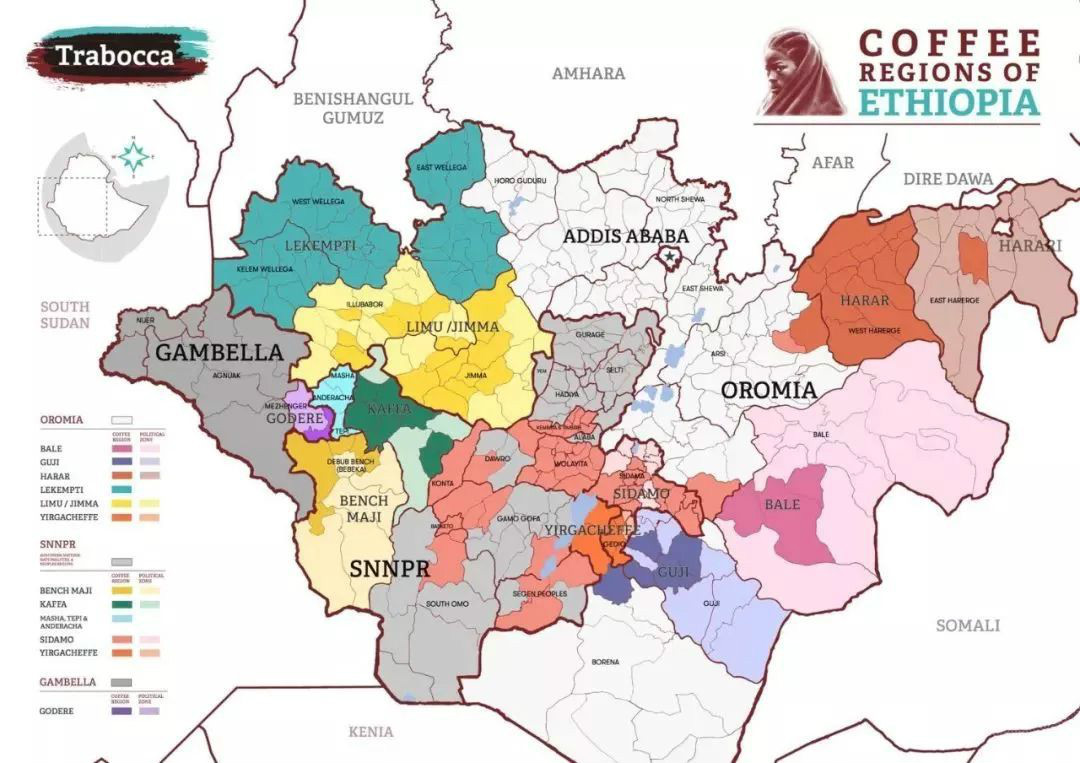
Introduction to the flavor of boutique coffee beans in the manor
The bean comes from a single farm, Ethiopia, and is processed by the Waka Cooperative (Worka cooperative). Alemayehu Alako Farm is a member of the Waka Cooperative. The Waka Cooperative, located in the south of Gedeb District, was founded in 2005 and joined the famous Yejia Sheffield Coffee Farmers Cooperative Union (YCFCU,Yirgacheffe Coffee Farmers Cooperati).
2016-09-01 Personality distinctive sun Yega variety characteristics taste manor boutique coffee beans
How does the sour and bitter in coffee come from?
Many thermal and chemical reactions take place during baking: decarbonation, dehydration of quinic acid, subdivision, isomerization, polymerization, and complex sugar reactions (caramelization).
2014-08-25 Coffee knowledge sour coffee bitter coffee why coffee is bitter
(turn) Jamaica Blue Mountains
Its taste is wonderful, the acidity is gentle and bright, the taste is fresh and elegant; it has excellent mellowness and balance, and the sweetness of the aftertaste makes people lips and teeth fragrant, bringing an unparalleled wonderful experience. It is the diamond in coffee, rare and precious; it is the best in coffee, unique and perfect. The Blue Mountain of Jamaica is not a blue mountain, it is because of the refraction of the sun.
2014-08-26 Jamaica Blue Mountain coffee beans boutique coffee beans
Basic chemical reactions that occur during coffee roasting
Many thermal and chemical reactions take place during baking: decarbonation, dehydration of quinic acid, fragmentation, isomerization, polymerization, and complex sugar reactions (caramelization). The main thermally reactive components are monosaccharides and sucrose, chlorogenic acid, displaced amino acids, and trigonelline amide. Both aravinone and calactose in polysaccharides are transferred, and basic sulfurization contains hydroxyamino acids.
2014-08-20 Coffee knowledge Coffee roasting Chemical changes Coffee encyclopedia
Make a perfect ESPRESSO espresso
If you want to get the perfect ESP you like, you must first know some basic knowledge. After the water temperature, water pressure, cloth powder, powder pressing strength and the golden rule (the state of the 30ML ESP produced in about 25 seconds), you can begin the following exercises. Prepare a pound of beans and an electronic scale with a 0.1g precision range. Try to make a few cups of ESP, and record your powder pressing strength and bean grinder engraving.
2015-07-29 One cup beautiful ESPRESSO Italian espresso coffee want get
The principle of making various utensils for brewing coffee
There are many ways to make coffee, we focus on the brewing methods:
2014-09-05 Coffee knowledge brewing coffee coffee utensils making principle
The basic chemical reaction of coffee roasting process
Many thermal and chemical reactions take place during baking: decarbonation, dehydration of quinic acid, subdivision, isomerization, polymerization, and complex sugar reactions (caramelization). The main components of the thermal reaction are monosaccharides and sucrose, chlorogenic acid, free amino acids, and fenugreek amide. Both aravinose and calactose in the polysaccharides are transferred, and the basic vulcanization contains hydroxylated amino acid.
2014-08-15 Coffee knowledge coffee roasting process baking chemical reaction
The basic chemical reaction that takes place during coffee roasting.
Many thermal and chemical reactions take place during baking: decarbonation, dehydration of quinic acid, subdivision, isomerization, polymerization, and complex sugar reactions (caramelization). The main components of the thermal reaction are monosaccharides and sucrose, chlorogenic acid, free amino acids, and fenugreek amide. Both aravinose and calactose in the polysaccharides are transferred, and the basic vulcanization process includes hydroxylamine.
2014-11-22 Coffee knowledge coffee common sense coffee roasting chemical reaction
The basic chemical reactions that take place during coffee roasting
Many thermal and chemical reactions take place during baking: decarbonation, dehydration of quinic acid, subdivision, isomerization, polymerization, and complex sugar reactions (caramelization). The main components of the thermal reaction are monosaccharides and sucrose, chlorogenic acid, free amino acids, and fenugreek amide. Both aravinose and calactose in the polysaccharides are transferred, and the basic vulcanization process includes hydroxylamine.
2015-10-15 Coffee roasting process medium hair raw basic chemical reaction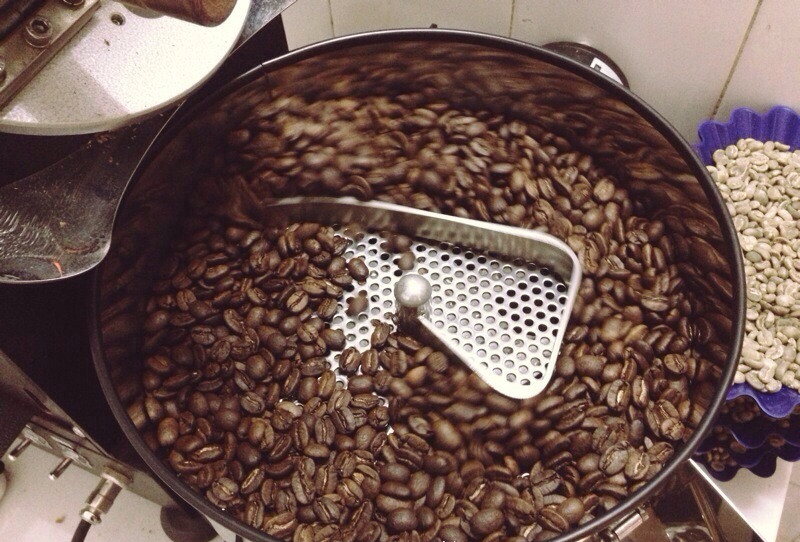
Basic chemical reactions of coffee beans during coffee roasting
Many thermal and chemical reactions take place during baking: decarbonation, dehydration of quinic acid, subdivision, isomerization, polymerization, and complex sugar reactions (caramelization). The main components of the thermal reaction are monosaccharides and sucrose, chlorogenic acid, free amino acids, and fenugreek amide. Both aravinose and calactose in the polysaccharides are transferred, and the basic vulcanization process includes hydroxylamine.
2015-03-16 Coffee roasting process coffee beans raw basic chemical reaction
Coffee brewing technology Personal understanding of coffee extraction
1. Slayer pre-soaking system, three-stage extraction theory system 2. The latest concept of grinding and extraction 1. Slayer pre-soaking system + three-stage extraction theory system 1. Double-head boiler system with 1+2+1, i.e. 1 large boiler with steam + hot water +2 small boilers with brewing head. Water used for extracting coffee, independent PID temperature control, 9mm water pipe to ensure uniform water output +1 pre-soaking boiler temperature control
2015-01-08 coffee brewing technique about taken personal understanding 1.slayer
The basic chemical reactions that take place during coffee roasting
Many thermal and chemical reactions take place during baking: decarbonation, dehydration of quinic acid, subdivision, isomerization, polymerization, and complex sugar reactions (caramelization). The main components of the thermal reaction are monosaccharides and sucrose, chlorogenic acid, free amino acids, and fenugreek amide. Both aravinose and calactose in the polysaccharides are transferred, and the basic vulcanization process includes hydroxylamine.
2014-08-21 Coffee roasting process medium hair raw basic chemical reaction
The basic chemical reactions that take place during coffee roasting.
Many thermal and chemical reactions take place during baking: decarbonation, dehydration of quinic acid, subdivision, isomerization, polymerization, and complex sugar reactions (caramelization). The main components of the thermal reaction are monosaccharides and sucrose, chlorogenic acid, free amino acids, and fenugreek amide. Both aravinose and calactose in the polysaccharides are transferred, and the basic vulcanization process includes hydroxylamine.
2015-01-08 Coffee common sense baking process medium hair raw basic chemical reaction passing
Coffee beans, the world's top coffee, Blue Mountain Coffee.
The world-famous Blue Mountain Coffee, produced in the Blue Mountains of Jamaica, has been in short supply because of its low caffeine content (less than half of other coffees) and outstanding taste, catering to modern people's concept of healthy consumption. Blue Mountain Coffee beans, known as golden beans, are only found in the Blue Mountains of western Jamaica, more than 1800 meters above sea level.
2014-09-05 Coffee beans the world's top coffee Blue Mountain Coffee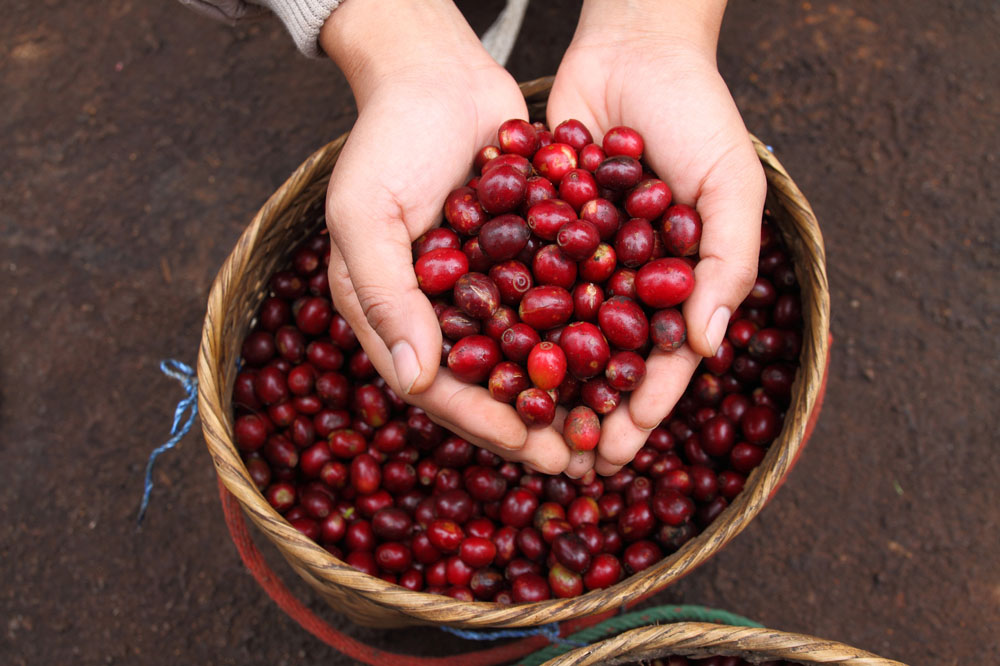
Introduction to the flavor of boutique coffee beans in the manor
The bean comes from a single farm, Ethiopia, and is processed by the Waka Cooperative (Worka cooperative). Alemayehu Alako Farm is a member of the Waka Cooperative. The Waka Cooperative, located in the south of Gedeb District, was founded in 2005 and joined the famous Yejia Sheffield Coffee Farmers Cooperative Union (YCFCU,Yirgacheffe Coffee Farmers Cooperati).
2016-09-02 Distinctive personality sun Yega Sheffield Wauka variety characteristics taste manor
The basic chemical reaction of coffee technology in the process of coffee roasting
Many thermal and chemical reactions take place during baking: decarbonation, dehydration of quinic acid, subdivision, isomerization, polymerization, and complex sugar reactions (caramelization). The main components of the thermal reaction are monosaccharides and sucrose, chlorogenic acid, free amino acids, and fenugreek amide. Both aravinose and calactose in the polysaccharides are transferred, and the basic vulcanization process includes hydroxylamine.
2014-10-09 Coffee knowledge coffee technology coffee roasting baking chemical reaction
Basic knowledge of coffee to understand the principle of making various utensils
There are many ways to make coffee, we focus on the brewing methods:
2014-09-09 Coffee knowledge coffee basics coffee utensils production principles
Basic knowledge of boutique coffee to make a perfect ESPRESSO
If you want to get the perfect ESP you like, you must first know some basic knowledge. After the water temperature, water pressure, cloth powder, powder pressing strength and the golden rule (the state of the 30ML ESP produced in about 25 seconds), you can begin the following exercises. Prepare a pound of beans and an electronic scale with a 0.1g precision range. Try to make a few cups of ESP, and record your powder pressing strength and bean grinder engraving.
2015-01-17 Boutique coffee basics common sense one cup beautiful ESPRESSO want
The basic chemical reaction of coffee knowledge during coffee roasting.
Many thermal and chemical reactions take place during baking: decarbonation, dehydration of quinic acid, subdivision, isomerization, polymerization, and complex sugar reactions (caramelization). The main components of the thermal reaction are monosaccharides and sucrose, chlorogenic acid, free amino acids, and fenugreek amide. Both aravinose and calactose in the polysaccharides are transferred, and the basic vulcanization process includes hydroxylamine.
2014-12-31 Coffee knowledge baking process medium hair raw basic chemical reaction passing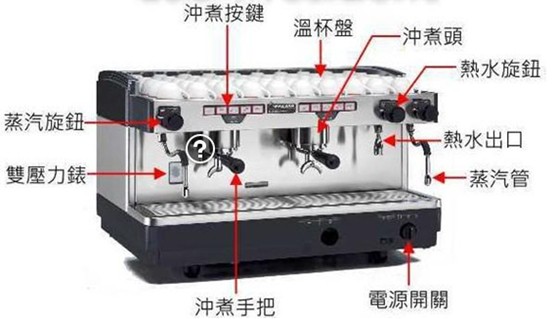
How to make espresso? How to use the espresso machine? How to choose and buy Italian coffee machine
How to make espresso (espresso) to achieve a cup of espresso (espresso), the most important factor is stable pressure and temperature. Sometimes those who encounter half a bottle of water will say that this term is out of date, and now the best semi-automatic coffee machine is variable pressure. Indeed, the real variable pressure coffee machine has been born since 2004.
2016-04-01 How to make Italian espresso coffee intention coffee machine choose and buy